

 |
 |
 |
 |
|||
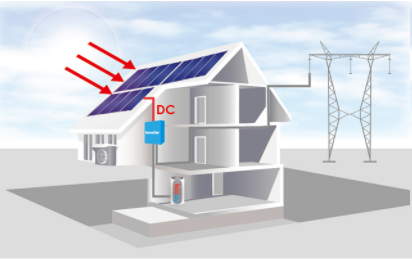
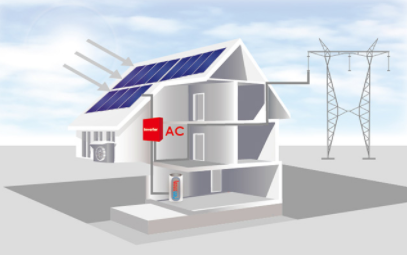
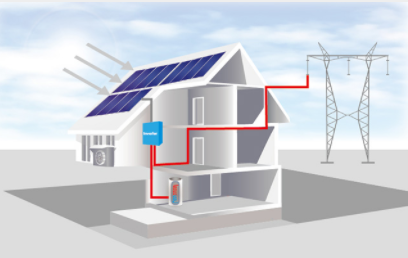
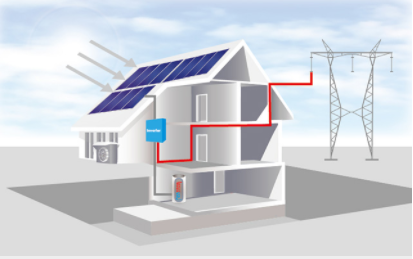
| 1. Solar PV panels capture sunlight, causing electrons in the panel’s silicon cells to release energy that becomes direct current (DC) electricity. | 2. An inverter converts the DC into alternating current (AC) electricity, making it useable for homes and businesses. | 3. Excess electricity can be stored in a battery or fed back into the power grid. | 4. Additional electricity can be pulled from the grid if you need more power than your solar panels can generate. |
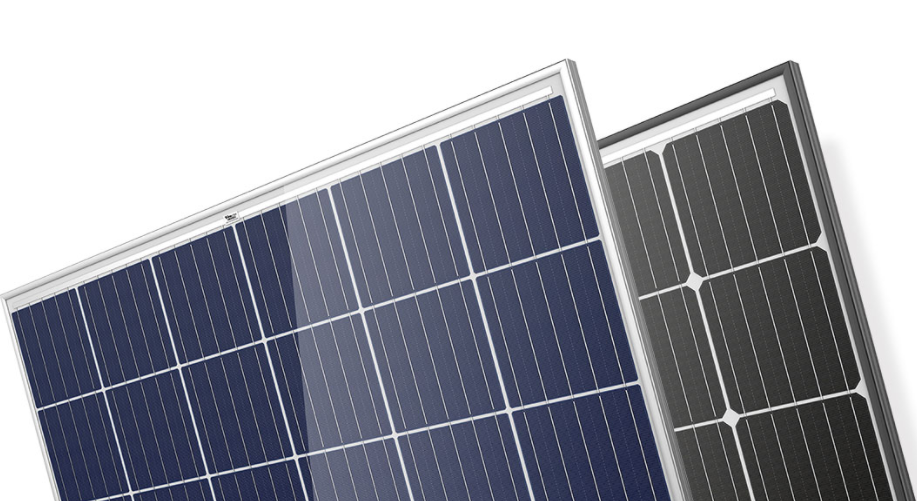
Types of solar panelsSince each solar installation must address numerous space and shading limitations, no one-size-fits-all solar solution exists. Trina solar provides a range of different solar panels and solutions to cater to the various needs of residential, commercial and large-scale utility projects. There are two main types of PV solar panels used in solar systems: monocrystalline and multicrystalline. |
 |
 |
 |
|
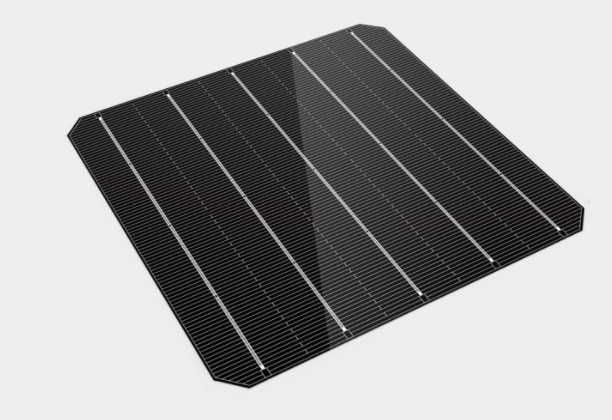
| Monocrystalline Monocrystalline solar panels have a higher efficiency rate in generating electricity from light and are a more space-efficient solution. Durable, long living and aesthetically pleasing, these cells are the ideal solution for residential and small commercial rooftop installations. |
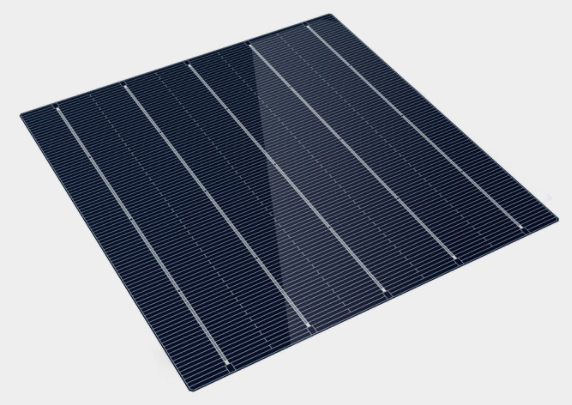
Multicrystalline Multicrystalline solar panels are simpler to produce and offer the most cost-efficient and versatile option. This type of panel is available in a range of sizes and colors, suitable for both residential and larger-scale installations as well as on and off-grid application. |
